 How-to
How to Execute Your Wedding Vision Perfectly
Last Updated: November 19, 2026
Quick Summary
To execute your wedding vision perfectly, write one vendor brief that translates it into times, colors, and rules every vendor can follow and confirm. Lock your wedding day and portrait timelines at least a month out, and assign one person to gather each photo group.
- Build a vision board in three layers: mood, detail, and words, keeping it to twenty strong images.
- Start the brief with one paragraph, then add three atmosphere words and exact color shades.
- Place portraits so they do not eat into cocktail hour, shooting family, wedding party, then couple.
- Without a wrangler gathering each group, ten minutes of photos becomes forty.
- Build small cushions into the schedule and decide in advance what gets cut if time runs short.
Table of Contents
- Translate Your Wedding Vision Into a Vendor Brief
- Build a Wedding Vision Board and Examples That Guide Decisions
- Lock the Wedding Day Timeline and Wedding Party Portrait Timeline
- Frequently Asked Questions
Translate Your Wedding Vision Into a Vendor Brief
A wedding vision is the clear picture of how your day should look, feel, and flow, and executing it starts with one document every vendor can follow. Couples who cruise through their wedding day often turn "romantic garden party" into a written brief with times, colors, and rules.
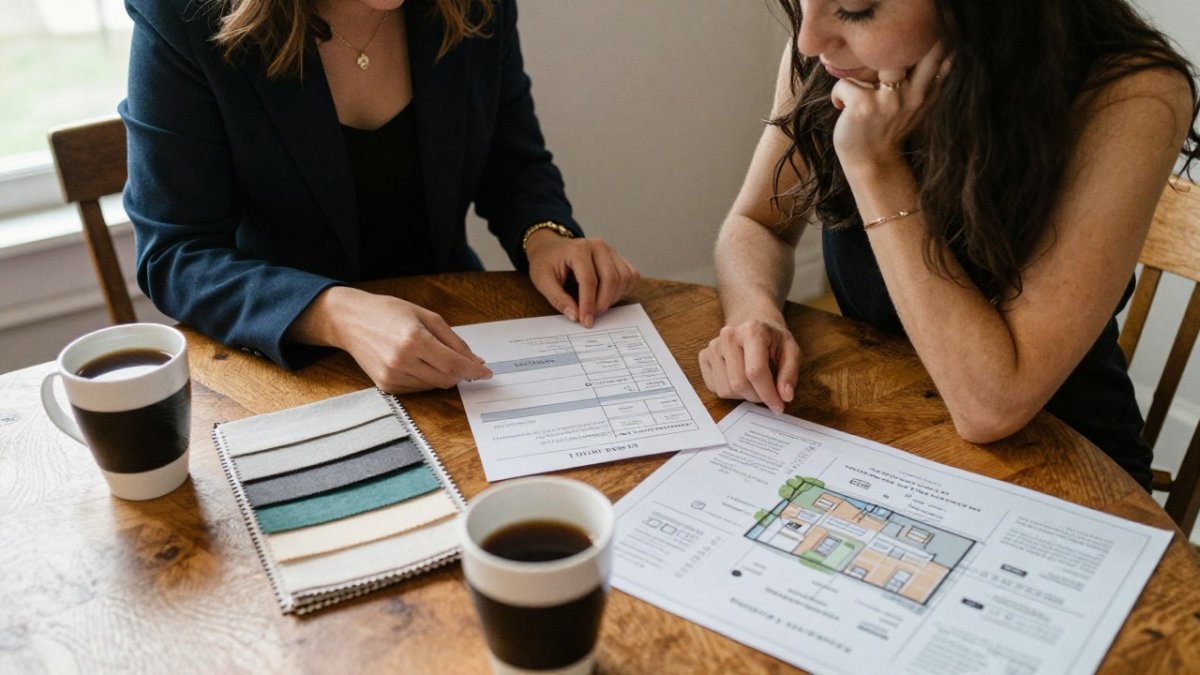
Start with the big-picture vision in one paragraph, then add the details vendors need: three atmosphere words, exact color shades, locations with setup times, guest experience notes, non-negotiables, and music cues. Pair every mood-board image with a sentence saying what you want and why, pictures show style but not timing or priorities.
Watch out: vague briefs like "make it elegant" leave your florist and DJ guessing. Write the brief once, share it with every vendor, and ask each to confirm they can deliver it. The Better Business Bureau's guidance on hiring wedding vendors is a useful starting point for checking contracts and communication expectations.
Build a Wedding Vision Board and Examples That Guide Decisions
A wedding vision board is a collection of images, colors, and words that captures your wedding style in one place, and it works best when it guides decisions instead of just looking pretty.
Build yours in three layers: mood (ten to fifteen atmosphere photos), detail (close-ups of flowers, tables, attire, decor), and words (short notes explaining what you love). Keep it tight, twenty strong images beat two hundred messy ones, and add "yes" and "no" columns so vendors see the boundaries. Check in monthly so changes are caught early.
Lock the Wedding Day Timeline and Wedding Party Portrait Timeline
The wedding day timeline is the hour-by-hour plan, and the wedding party portrait timeline is the slot reserved for group photos. Lock both at least a month out and share them with every vendor and your wedding party, this is where a beautiful wedding vision becomes real. Build backward from the ceremony start time, adding buffer for getting ready, travel, and setup, then place portraits where they will not eat into cocktail hour.
A simple portrait plan: family photos first, right after the ceremony, with a written shot list; wedding party portraits next, in one location with good light; couple portraits last, during golden hour or early cocktail hour. If you would rather hand that job off, our guide to building a wedding day logistics planning checklist turns the locked timeline into a step-by-step day-of plan, and our breakdown of day-of wedding coordination services explains exactly what a coordinator takes off your plate. Couples who want to stay calm can also borrow these wedding day stress relief tips.
Plan for the unexpected: build small cushions into the schedule and decide in advance what gets cut if time runs short. That single decision protects your guest experience and your peace of mind.
Here is the portrait order the article recommends, plus the timing rules that keep it on track.
| Step | What to do | Timing or note |
|---|---|---|
| Family photos | Shoot first with a written shot list | Right after the ceremony |
| Wedding party portraits | One location with good light | After family photos |
| Couple portraits | Shoot last | Golden hour or early cocktail hour |
| Lock both timelines | Share with every vendor and the wedding party | At least a month out |
| Assign a wrangler | One person gathers each group | Without one, ten minutes becomes forty |
Your wedding vision deserves more than hope that it all comes together. CANA EVENTS gives you a dedicated team that manages vendor communication, timelines, cultural traditions, setup, and tear-down, so every detail you planned actually happens. Janett and Amber bring hands-on experience from 20+ weddings and step in when something goes sideways, before you ever hear about it. Get started with CANA EVENTS and walk into your wedding day knowing it is handled.
Frequently Asked Questions
What is the 50/20/30 rule for weddings?
The 50/20/30 rule is a budget guideline: about 50% of your total wedding budget goes to the reception (venue, food, and drink), 20% to photography and videography, and 30% to everything else, including attire, flowers, decor, music, and stationery. Treat it as a starting point, not a strict formula. Adjust the percentages to match your priorities and your wedding vision. For example, a couple who cares most about guest experience may shift more toward food and music, while a couple focused on keepsakes may allocate more to photo and video.
How do you turn a wedding vision into a practical plan?
Start by writing a one-page vision statement that describes the atmosphere you want and how guests should feel. From there, list your non-negotiables and rank them. Build a wedding vision board to keep the look consistent, then create a vendor brief for each category with your priorities, must-haves, and budget range. Finally, set a wedding day timeline with decision gates, such as final headcount and final walkthrough dates, so every choice has a deadline. This sequence turns an abstract vision into concrete tasks you can assign and track.
How do you organize wedding party portraits without delaying cocktail hour?
Build a wedding party portrait timeline that starts before the ceremony and uses a shot list grouped by location. Assign one point person who knows the family groupings and can gather people quickly. Keep the full wedding party photos to 15-20 minutes and take couple portraits separately. If your ceremony and reception are at the same venue, scout photo locations during your final walkthrough so no time is lost searching. Share the portrait timeline with your photographer and coordinator at least two weeks before the wedding, and build in a 10-minute buffer before cocktail hour begins.
Wedding budget allocation under the 50/20/30 rule