 How-to
How to Choose a Day-Of Wedding Coordinator?
Last Updated: November 14, 2026
Quick Summary
To choose a day-of wedding coordinator, first confirm that your vendors are already booked, since this role executes an existing plan. Then compare written quotes line by line, verify experience and references, and read the contract for hours, overtime, and backup coverage.
- Hire a day-of coordinator once your vendors are booked and you want on-site logistics support.
- Ask for a written quote listing every line item, not a single lump sum.
- Check whether setup and breakdown are included in the quoted hours.
- Request references from recent couples and ask how problems were handled.
- Confirm in the contract who serves as backup if the lead coordinator is unavailable.
Table of Contents
- What a Day-Of Wedding Coordinator Actually Does
- Compare Service Tiers and Pricing Models Before You Shortlist
- Vet Experience, References, and Personal Fit
- Use a Side-by-Side Scorecard and Day-Of Checklist
- Book Your Coordinator and Lock In the Contract Details
- Frequently Asked Questions
What a Day-Of Wedding Coordinator Actually Does
Choosing the right day-of wedding coordinator is one of the most useful decisions you can make during wedding planning. A day-of coordinator takes over the logistics of your wedding day so you can stop tracking details and enjoy it.
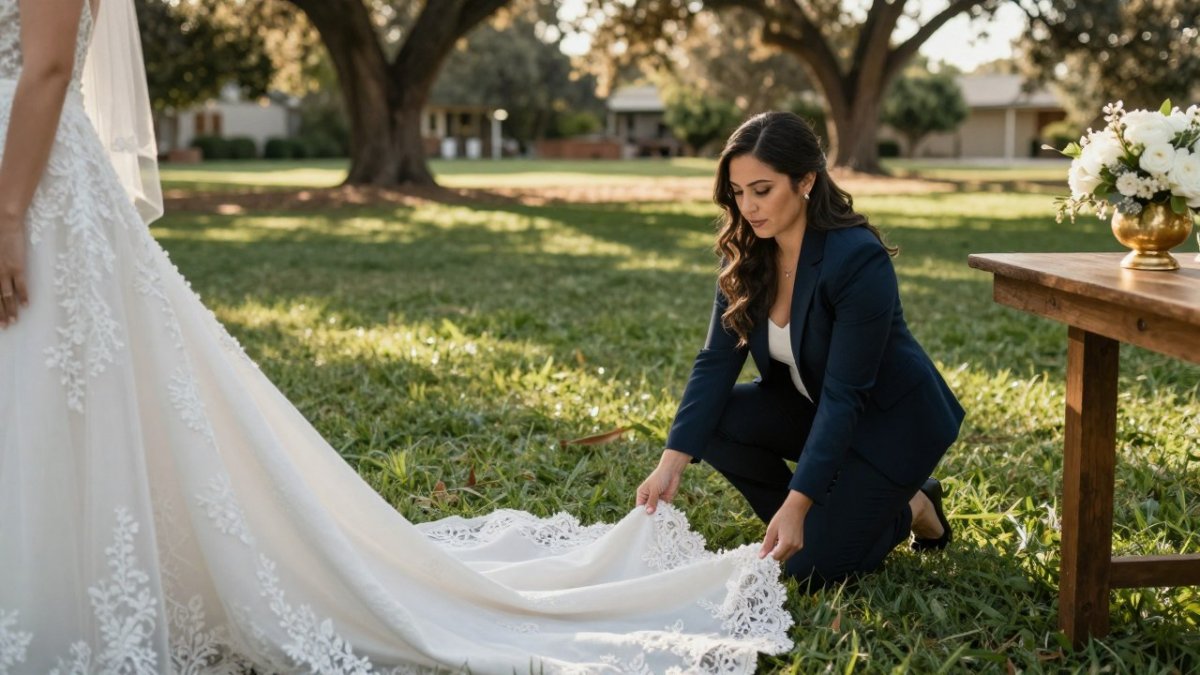
A day-of coordinator manages the execution of a plan that already exists: the timeline, vendor arrival times, ceremony order, reception flow, and any cultural traditions you want honored. They confirm details with vendors, keep everyone on schedule, and handle problems as they come up. Setup and breakdown can also be part of the job.
Day-of coordinator versus full-service wedding planner
A day-of coordinator and a full-service wedding planner do different jobs. A full-service planner helps with the entire process, from choosing vendors and venues to negotiating contracts and managing the budget over many months. A day-of coordinator steps in later, usually in the final few weeks, and focuses on making the wedding day run smoothly.
If you have already booked your vendors and want help with logistics, a day-of coordinator is usually the right fit. If you need help with the full planning process, look for a month-of or full-service package instead.
Venue coordinator versus your coordinator
Many venues employ their own staff to manage the building. Those staff members look after the venue, its rules, and its setup, but they usually work for the venue, not for you. Your coordinator works for you and focuses on your vision, your vendors, and your timeline.
Ask each person what they are responsible for before the wedding. Confirm who controls the room setup, who speaks to the caterer, and who makes the call if the schedule slips. Overlap between the two roles causes confusion, so settle it early.
Compare Service Tiers and Pricing Models Before You Shortlist
Wedding coordination comes in several tiers, and the tier you choose changes both the price and what you are buying. Knowing the difference helps you ask for what you need and avoid paying for services you will not use.
| Service Tier | When It Starts | Main Focus | Best For |
|---|---|---|---|
| Full Planning | Many months before the wedding | Vendors, budget, design, and day-of execution | Couples who want help from start to finish |
| Month-of | About 4 to 8 weeks before | Final vendor confirmations and detailed timeline | Couples who planned most details themselves |
| Day-of | Final 1 to 2 weeks, plus the wedding day | Executing the existing plan and managing the day | Couples with vendors booked who want on-site support |
Pricing models vary as much as the tiers. Ask for a written quote that lists every line item, not a single lump sum.
What actually drives the price:
- Date and season. Peak Saturdays in popular months command higher rates than off-season or weekday weddings, because demand for experienced coordinators is concentrated in a short window.
- Guest count and vendor count. More guests and more vendors mean more moving parts, more confirmations, and more people to manage on the day.
- Hours on site. A six-hour reception with full setup and breakdown can run far longer than a short ceremony and lunch. Overtime rates matter here.
- Setup and breakdown. Many quotes exclude these or cap them. Decor-heavy weddings with rentals, lighting, and custom installations take longer to set and strike.
- Travel. Coordinators who travel to your venue may add mileage or a travel fee.
- Team size. A second staff member or assistant adds cost but also adds coverage.
How to compare scope, not just the headline number. Put each quote into the same format before you compare. For every candidate, write down the total fee, what is included, and what is explicitly excluded, so you can compare them side by side.
Get current package details directly from CANA EVENTS through their website or by requesting a quote.
Vet Experience, References, and Personal Fit
Experience matters, but so does fit. You will spend a long day with this person, and they will speak for you to your vendors, your family, and your guests. A good coordinator has run many weddings, communicates clearly, and makes you feel calm.

Ask how many weddings the coordinator has handled and what kinds of events those were. Ask whether they have worked with weddings of your size and style. Then verify the answers.
Personal fit is harder to measure, but it counts. Notice how quickly the coordinator responds to your messages. Notice whether they listen before offering solutions. Trust your instinct about whether you feel comfortable handing over control of your big day.
Questions to ask during the interview
Bring this list to your first meeting:
- How many weddings have you coordinated, and how many were similar to ours?
- Can you share references from recent couples I can contact?
- What exactly is included in your package, and what costs extra?
- Will you be the person on-site, or will a team member be there too?
- How do you handle a vendor who runs late or does not show up?
- How will you manage our cultural or family traditions on the day?
- How far in advance do you need the final timeline and vendor contacts?
- How often will we communicate before the wedding, and by what method?
- Do you provide setup and breakdown, and how long do those take?
- What is your plan if you become ill or unavailable on the wedding day?
Write down the answers. Vague responses are a warning sign.
Use a Side-by-Side Scorecard and Day-Of Checklist
Interviewing several coordinators is much easier when you score them the same way. Create a simple scorecard with the same categories for each candidate. Rate each category from 1 to 5, then total the scores.
Sample scorecard categories:
- Experience: Number of weddings and how closely they match yours
- References: Quality of feedback from recent couples
- Communication: Speed and clarity of replies during the search
- Package clarity: How completely the written quote lists what is included
- Problem-solving: How specifically they explained handling an emergency
- Personal fit: How comfortable and trusted you felt during the meeting
Use the scorecard to compare candidates side by side after each conversation. The totals help, but the notes matter more. A coordinator who scores slightly lower but answered emergency questions in detail may be the safer choice.
Day-of checklist to confirm before the wedding:
- Final timeline shared with all vendors
- Vendor arrival times and contact numbers collected
- Setup and breakdown responsibilities assigned
- Venue rules and load-in access confirmed
- Cultural and family traditions mapped to the timeline
- Emergency contacts and backup plan documented
Book Your Coordinator and Lock In the Contract Details
Once you choose a coordinator, the contract is where the relationship is actually defined.
Payment terms. Note the deposit amount, the payment schedule, and whether any portion is refundable.
Cancellation and postponement. Read the cancellation clause closely.
Exclusions. Look for what the contract does not cover.
Decision rights and communication. Decide early who approves changes, how urgent questions reach you on the wedding day, and who holds the final timeline.
Contact CANA EVENTS to check your date and request a quote, and see the details of what their day-of coordination includes on their website.
Choosing the right day-of coordinator comes down to clear scope, verified experience, and a person you trust.
Frequently Asked Questions
What is expected of a day-of wedding coordinator?
A day-of wedding coordinator manages the logistics of the wedding day once planning is largely complete. Typical duties include confirming vendor arrivals, running the timeline, directing setup and breakdown, handling the ceremony and reception flow, and solving problems as they arise so the couple can stay present. Many coordinators also communicate with the venue and vendors in the weeks before the event. Ask each candidate to list exactly what is included in their package so you know which tasks are covered and which remain yours.
How much should a day-of wedding coordinator cost?
Pricing depends on the length of your event, the size of the wedding, and the services you choose. For a quote and current availability for your date, request one through the CANA Events website. When comparing quotes, confirm what is included in the price.
Should I get a day-of coordinator for my wedding?
A day-of coordinator is worth considering if you want to enjoy your wedding instead of managing vendors, timelines, and last-minute problems. It is especially useful for couples with a complex ceremony, specific cultural traditions, or a venue where no one on staff will guide your vendors. If you have a close friend or family member willing to take on that role, a coordinator may be less necessary, but they will still need a clear schedule and contact list before the day.
What questions should I ask a wedding coordinator before hiring them?
Ask how many weddings they have coordinated, whether they have worked with couples who share your cultural or family traditions, and how they handle emergencies such as a late vendor or a timing change. Ask who will be on-site, whether there is backup coverage, and how they communicate with couples between meetings. Request references and confirm what is included in the package, including setup and tear-down.